Kayem Hot Dog and Bacon Recall: USDA Warning Explained. – If you have hot dogs, bacon, or packaged deli meats in your refrigerator, take a moment to check the labels before preparing your next meal.
A major Kayem hot dog and bacon recall has raised food safety concerns across the United States. On October 17, 2026, the U.S. Department of Agriculture’s Food Safety and Inspection Service (FSIS) announced that Kayem Foods Inc. was recalling approximately 1.58 million pounds of ready-to-eat meat and poultry products because of possible improper storage temperatures.
The recall involves more than hot dogs and bacon. Certain sausages, turkey products, ham, and other prepared meats are also included.
The important question isn’t simply whether you purchased Kayem products. It’s whether the exact product, package information, and identifying codes match the recall notice.
Here’s what you need to know, how to check your groceries, and what to do if you discover an affected package at home.
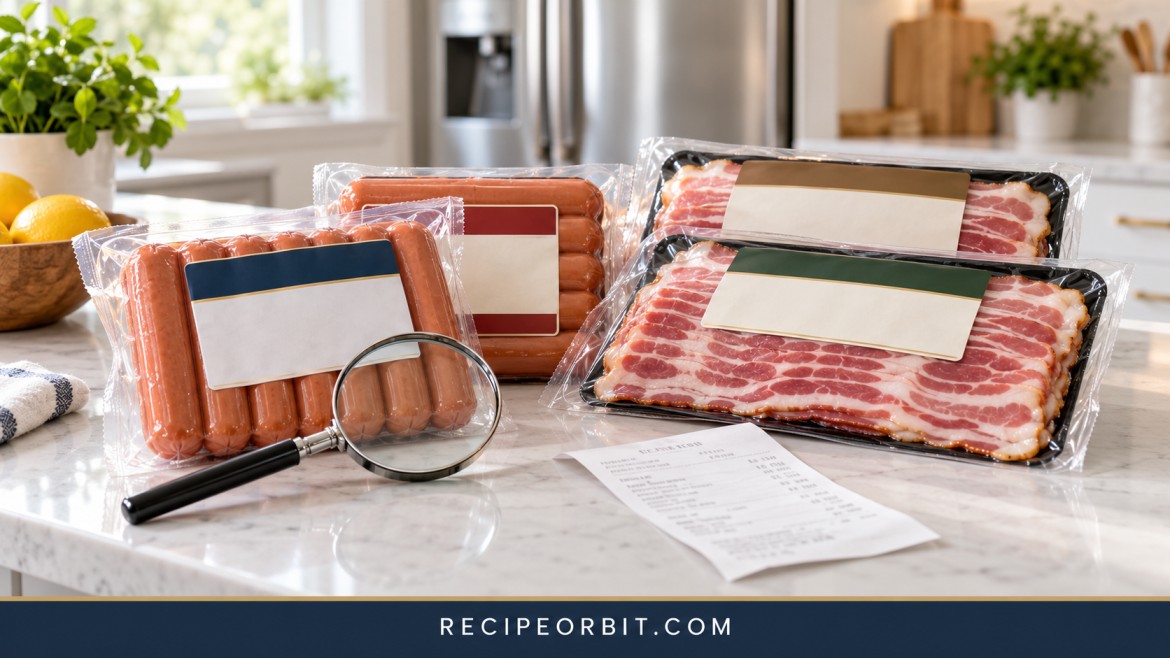
Kayem Foods Recall 2026: Quick Facts
| Recall detail | Official information |
| Company | Kayem Foods Inc., Chelsea, Massachusetts |
| Recall announced | October 17, 2026 |
| USDA recall number | 026-2026 |
| Total quantity | Approximately 1,584,361 pounds |
| Classification | Class I — High Risk |
| Reason | Possible temperature abuse during storage |
| Approximate production dates | March 31–October 7, 2026 |
| Distribution | U.S. retail and foodservice locations nationwide, plus Hong Kong |
| Confirmed illnesses | None reported in the October 17 USDA announcement |
Important: Do not eat any product confirmed to be part of this recall. The USDA advises consumers to throw affected products away or return them to their place of purchase.
Read the official USDA recall announcement.
Why This Guide Is Helpful
Food recall headlines can be confusing, especially when several brands and dozens of product varieties are involved.
This guide helps you:
- Understand why Kayem products were recalled.
- Identify potentially affected hot dogs, bacon, and other meats.
- Find the important numbers on food packages.
- Decide whether to keep, return, or discard a product.
- Clean your kitchen safely after handling recalled food.
- Find practical alternatives for your family’s next meal.
The goal is simple: help you make an informed food safety decision without unnecessary guesswork.
What Caused the Kayem Hot Dog and Bacon Recall?
According to the USDA, the recall began after a retail customer reported unusually warm product temperatures at delivery on October 1, 2026.
Kayem Foods investigated and determined that a warehouse cooler had experienced temperature deviations.
In its October 16 announcement, the company described a cooling system malfunction affecting products stored and shipped between June 7 and October 14, 2026.
This matters because refrigerated meats need consistent temperature control.
The USDA explains that bacteria can grow rapidly in the temperature range of 40°F to 140°F, commonly called the food safety danger zone.
While these conditions can increase foodborne illness risks, the Kayem recall announcement did not identify a specific bacterial pathogen as the cause.
The issue is possible unsafe temperature exposure during storage, rather than a confirmed contamination involving a named organism.
Because of the potential health consequences, FSIS classified the recall as Class I, its highest risk category.
Which Kayem Hot Dogs and Bacon Products Are Recalled?
The recall covers various ready-to-eat meat and poultry products sold under several brand names.
Affected product categories include:
| Product category | Examples included in recall reporting |
| Hot dogs and franks | Beef hot dogs, Old Tyme franks, Fenway Franks, lower-sodium hot dogs |
| Bacon | Thick-cut, applewood-smoked, maplewood-smoked, and other bacon products |
| Chicken sausages | Sweet apple, spinach and feta, Italian-style, and breakfast varieties |
| Ham | Smoked, honey, tavern-style, and other prepared ham products |
| Turkey | Smoked and oven-roasted turkey breast |
| Other meats | Bologna, kielbasa, bratwurst, corned beef, and prepared meat products |
These examples are not a complete identification list.
Brands represented among the recalled products include Kayem, Al Fresco, Deutschmacher, Essem, Jordan’s, McKenzie, Triple M, and Winnisimmet St. Butchery.
Not every product from these brands is necessarily recalled. The specific product, UPC, lot code, and other identifying details must be checked against the official information.
For an accurate match, use the USDA product list with UPC information and the Kayem Foods recall notice.
How to Check Whether Your Hot Dogs or Bacon Are Recalled
Checking the package is more reliable than relying on product appearance or a social media headline.
Follow these steps.
Step 1: Find the product name
Look at the front of the package and identify the brand, variety, and package size.
For example, a regular hot dog package may not have the same identifying information as a lower-sodium or beef-only variety.
Write down the complete product description.
Step 2: Locate the USDA establishment number
Check the USDA mark of inspection on your meat package.
The recall identifies products bearing these establishment numbers:
- EST. M/P 7839
- EST. P 20935A
- EST. M 9520
These numbers are important identifiers, but they should not be used alone to conclude that every package from an establishment is recalled.
Step 3: Compare the UPC
Find the barcode and its printed numerical code.
Compare the UPC with the product list supplied through the official recall announcement.
Pay close attention to package sizes and product variations.
Step 4: Check the lot code and date
Look for the lot number and any printed expiration or use-by information.
Kayem advises consumers to use the brand, product description, UPC, and lot code to identify affected merchandise.
Do not assume that a package is safe solely because its expiration date hasn’t passed.
Step 5: Confirm the result
Use the official recall documents rather than an incomplete screenshot or shared social media list.
If the information remains unclear, contact Kayem Foods before consuming the product.
Its consumer service number is 800-426-6100.
Where Were the Recalled Products Sold?
The USDA reports that affected merchandise was distributed to retail and foodservice locations throughout the United States, as well as Hong Kong.
Retailers identified in published recall coverage include Walmart and Market Basket, although distribution was not limited to those stores.
That means shoppers should not assume their groceries are unaffected simply because they purchased them at a different supermarket.
Products obtained through delis, foodservice suppliers, or other retail channels may also require checking.
The safest approach is to compare your package information directly with the recall documentation.
What Should You Do If You Bought Recalled Kayem Products?
If your hot dogs, bacon, or another meat product matches the recall information, follow the USDA’s instructions.
1. Stop using the product.
Do not cook, taste, serve, or eat recalled food.
2. Keep it away from other foods.
Avoid opening or unnecessarily handling the package. Prevent any leaking contents from contacting shelves, containers, or other food.
3. Return or discard it.
Return the affected product to the place of purchase, or dispose of it in a sealed bag so that other people or animals cannot consume it.
4. Clean affected surfaces.
Wash your hands, cookware, refrigerator surfaces, and any equipment that contacted the product.
5. Contact the company if necessary.
Kayem Foods provides assistance through:
- Phone: 800-426-6100
- Email: info@kayem.com
- Hours: Monday–Friday, 7:30 a.m.–4:00 p.m. Eastern
Keep a photograph of the packaging and receipt if you need them for your records or a retailer inquiry.
Can Cooking Recalled Hot Dogs or Bacon Make Them Safe?
No. Do not attempt to make a recalled product safe by grilling, boiling, frying, baking, or reheating it.
Cooking destroys many harmful microorganisms when performed correctly, but it is not a reliable remedy for every food safety problem caused by improper storage.
Some bacterial toxins can remain dangerous even after heating.
The USDA’s instruction for these affected products is to avoid consuming them altogether.
That includes packages that appear perfectly normal.
A pleasant smell, normal color, or intact vacuum seal cannot establish that recalled food is safe.
How to Clean Your Refrigerator After a Food Recall
If recalled meat was stored in your refrigerator, cleaning the affected areas is a sensible precaution.
The CDC recommends the following approach:
- Place recalled food in a sealed bag and discard it safely.
- Remove other groceries temporarily, keeping perishables from warming for extended periods.
- Take out removable shelves and drawers.
- Wash them with hot, soapy water after allowing cold glass components to reach room temperature.
- Clean refrigerator walls, drawers, and door surfaces.
- Rinse, dry, and sanitize as appropriate.
For optional sanitizing, CDC guidance allows a solution of 1 tablespoon of unscented liquid chlorine bleach in 1 gallon of water.
Never mix bleach with ammonia, vinegar, or other cleaning products.
Wash your hands when finished, and clean any countertop or utensils that touched the recalled food.
For detailed instructions, see the CDC refrigerator cleaning guide.
What If You Already Ate a Recalled Product?
First, remember that eating a recalled item does not automatically mean you will become sick.
In its October 17 announcement, FSIS stated that there were no confirmed reports of illness associated with the recalled products.
However, foodborne illness symptoms may include nausea, vomiting, diarrhea, abdominal cramps, or fever.
According to the CDC, medical attention is particularly important if you experience:
- Bloody diarrhea.
- Diarrhea lasting more than three days.
- Fever above 102°F.
- Vomiting that prevents you from keeping liquids down.
- Signs of dehydration, including dizziness or reduced urination.
People who are pregnant, older adults, young children, and individuals with weakened immune systems may be more vulnerable to certain foodborne infections.
If you believe you are ill after eating a recalled product, contact a healthcare professional and explain the possible exposure.
What Can You Make Instead Tonight?
Discovering that a planned dinner ingredient has been recalled is frustrating, especially when your family is expecting something quick.
Fortunately, you can prepare a satisfying meal without using the affected products.
Consider these alternatives:
- Bean and vegetable wraps: Use a 15-ounce can of beans, 4 tortillas, chopped vegetables, and your favorite toppings.
- Homemade pasta: Pair freshly cooked noodles with tomato sauce, garlic, olive oil, and vegetables.
- Egg and potato skillet: Cook diced potatoes until tender and finish with fully cooked eggs.
- Vegetarian sandwiches: Combine hummus, cheese, lettuce, cucumber, and whole-grain bread.
Use ingredients that are not part of a recall, follow their handling instructions, and cook foods requiring cooking to their recommended safe temperatures.
The easiest replacement meal is usually one built around ingredients you already have on hand.
Food Storage Tips for Future Shopping
A recall caused by a storage temperature problem is also a reminder to review everyday food-handling habits.
Keep your refrigerator at 40°F or below and your freezer at 0°F.
A refrigerator thermometer can help you verify that the appliance is maintaining the correct temperature.
Buy refrigerated products near the end of your grocery trip, transport them promptly, and refrigerate them as soon as possible.
For ordinary perishable foods, avoid leaving them unrefrigerated for more than two hours, or one hour when temperatures exceed 90°F.
These practices help reduce everyday food safety risks. They do not reverse unsafe handling that occurred before you purchased a recalled item. Kayem Hot Dog and Bacon Recall 2026: Check Your Fridge
Common Mistakes to Avoid During a Meat Recall
The biggest mistakes often come from relying on assumptions rather than official product information.
Mistake 1: Checking only the brand.
A brand may have both recalled and unaffected products.
Mistake 2: Ignoring the lot or UPC.
Different packages of seemingly identical products may have different identifying information.
Mistake 3: Trusting the expiration date.
A future use-by date does not override a recall.
Mistake 4: Cooking the product anyway.
The USDA has specifically advised consumers not to eat affected products.
Mistake 5: Forgetting the freezer.
Check stored and frozen packages as well as your refrigerator.
Mistake 6: Assuming an unaffected store location.
Distribution information can be broader than an individual retailer’s public notice.
When in doubt, confirm your package details with the manufacturer or USDA before using the food.
Frequently Asked Questions
1. Why were Kayem hot dogs and bacon recalled?
The USDA announced the recall because certain ready-to-eat meat and poultry products may have been exposed to improper storage temperatures following a warehouse cooling problem.
2. How much meat is included in the recall?
Approximately 1,584,361 pounds of ready-to-eat meat and poultry products were included in the October 17, 2026, recall announcement.
3. Are all Kayem hot dogs recalled?
No blanket conclusion should be made about all Kayem hot dogs. Compare your specific product’s identifying information with the official recall list.
4. Does the recall include bacon?
Yes. Certain bacon products are included, along with hot dogs, sausages, ham, turkey, and other prepared meats.
5. Can I eat recalled food if it has been frozen?
No. Freezing does not reverse a prior temperature-control problem or make a recalled product exempt from the recall.
6. What should I do if I no longer have the packaging?
Check your purchase history or receipt if available, and ask the retailer or Kayem Foods for help identifying the product. If you cannot establish that the food is unaffected, do not eat it.
7. Were any illnesses reported?
The USDA’s October 17 announcement stated that no illnesses associated with the recalled products had been confirmed at that time. Check official updates for newer information.
8. Where can I report a concern?
Contact Kayem Foods at 800-426-6100 or call the USDA Meat and Poultry Hotline at 888-674-6854. You can also use the USDA electronic consumer complaint system.
Final Thoughts
The Kayem hot dog and bacon recall is an important reminder that food safety begins before cooking.
If you have packaged hot dogs, bacon, sausages, or other affected meat products at home, check the full product details against the official recall notice.
Most importantly, do not eat recalled products, even if they look fresh or have been refrigerated properly since purchase.
A few minutes spent checking food labels can help you make a safer decision for yourself and your family.
Sources and Further Reading
- USDA FSIS — Kayem Foods Recall, October 17, 2026
- USDA — Official Recalled Product List
- Kayem Foods — Company Recall Announcement
- USDA — How Temperatures Affect Food
- CDC — Food Poisoning Symptoms
About the Author
Sadia Parvin — Food Writer, RecipeOrbit
Sadia Parvin is a cooking and food-blogging contributor with five years of experience. Her work focuses on accessible home-cooking ideas, everyday meal planning, and practical kitchen guidance.
This recall article is based on published USDA, company, and public-health information. It does not claim firsthand product testing, laboratory analysis, or independent clinical review.
Food Safety and Nutrition Disclaimer: This article is provided for general information and does not replace official recall instructions or professional medical advice. Recall information may change. Always consult the latest USDA and manufacturer notices. Nutritional values are not provided for recalled products because their nutritional composition does not establish whether they are safe to consume.
